Princess Bunny Embroidery Design Review
As a designer who has spent years navigating the delicate balance between whimsical charm and technical precision, I approach every new machine embroidery design with a critical eye. When I first opened the file for the Princess Bunny Embroidery Design, my immediate reaction was one of genuine delight. There is something inherently disarming about a bunny dressed in a pink gown and wearing a crown. It hits that sweet spot of "royal cuteness" that parents and gift-givers are constantly searching for. However, in our line of work, visual appeal is only half the battle; the other half is ensuring the design translates beautifully from a digital screen to a physical finished product.
The First Impression: Mood and Visual Personality
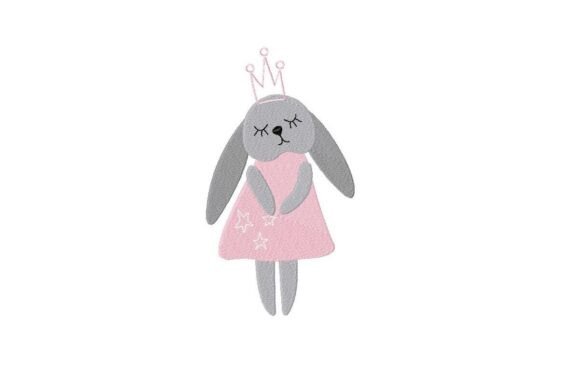
The aesthetic of this embroidery file is undeniably soft and inviting. The composition centers on an adorable bunny character, rendered with enough detail to feel special without becoming overly complicated. The inclusion of the crown and the dress suggests a theme perfect for the Nursery category, but its versatility extends further. Visually, the design relies heavily on the contrast between the soft curves of the bunny and the structured lines of the royal accessories. This creates a balanced layout that feels cohesive rather than cluttered.
For those of us running a craft business or managing an Etsy seller account, this kind of design asset is gold. It speaks directly to the emotional core of the buyer. A customer looking for a personalized gift for a baby shower or a first birthday will immediately connect with the imagery. The "sweet royal stitch" concept mentioned in the description isn't just marketing fluff; it accurately describes the gentle, celebratory vibe the design projects. It feels like a piece that belongs on a high-quality handmade product, elevating a simple item into a keepsake.
Real-World Application: From File to Fabric
To truly evaluate the Princess Bunny Embroidery Design, I need to visualize it in action. Let's imagine a scenario where I am preparing a custom embroidered tote bag for a boutique client. The client wants a line of "Little Princess" themed bags for their upcoming spring collection. I load the design into my software and consider the placement. On a sturdy canvas tote, the design would stand out beautifully, provided the thread colors are chosen correctly. The pink dress needs to pop against the background, suggesting that a cream or light gray fabric would be ideal.
Now, let's shift to custom apparel. If I were applying this to a sweatshirt, specifically a sweatshirt embroidery project for a toddler, the texture of the fleece becomes a factor. The design's outlines must be strong enough to hold up against the nap of the fabric. In my experience, designs with distinct satin stitch borders tend to perform well here, as they create a raised, tactile effect that children love to touch. The crown, being a smaller element, requires careful attention to ensure the stitches don't pucker the fabric. This is where the quality of the digital embroidery file really matters. If the density is too high in those tiny points of the crown, the fabric could warp, ruining the professional look of the small shop product.
Another excellent use case is creating an embroidered patch. Imagine stitching this design onto felt or twill, then backing it with iron-on adhesive. These patches can be sold individually or attached to denim jackets, backpacks, or pillow covers. The whimsical nature of the bunny makes it a standout feature on a plain white pillow cover, instantly transforming nursery decor. For holiday gifts, this design fits perfectly into the winter or spring season, offering a fresh alternative to traditional snowflakes or bunnies without the royal flair.
Technical Considerations for Professional Results
While the design is charming, we must address the technical realities of Embroidery. Before committing to a final run, especially for commercial purposes, I always recommend testing the design on scrap fabric first. This step is non-negotiable for any serious apparel decorator. You need to verify the stitch density and ensure that the fill areas are not too tight, which can cause stiffness, or too loose, which leads to gaps in the coverage.
The choice of stabilizer is equally critical. Since this design features a character with potential fine details in the ears and the crown, a tear-away stabilizer might not provide enough support if you are working with stretchy fabrics like jersey or knit. A cut-away stabilizer would likely offer better longevity and shape retention, particularly for items that will undergo frequent washing. Baby clothes, after all, go through the laundry machine more often than any other garment.
We also need to discuss thread colors. The default palette likely includes shades of pink and perhaps some metallic accents for the crown. While these work well on light backgrounds, using them on dark fabric requires significant adjustment. You cannot simply overlay pink thread on black cotton; the result will be invisible. For dark fabrics, you would need to add a dense underlay or switch to lighter, contrasting thread colors entirely. Always test your color combinations in printable mockups before purchasing expensive threads.
Where Caution is Required
Not every project is a suitable candidate for the Princess Bunny Embroidery Design. As a reviewer, I must highlight where this design might struggle. Small hoop sizes are a primary concern. If the design is scaled down too much to fit a 4x4 hoop, the details of the crown and the facial features may become indistinct. Tiny lettering, if included in the design, is another risk area; it often gets lost in the stitch count and looks messy on the finished item.
Textured fabrics like thick corduroy or heavy wool can also interfere with the clarity of the design. The bumps in the fabric can disrupt the flow of the running stitch and fill stitch, leading to an uneven appearance. Additionally, curved surfaces like caps present a challenge. The flat nature of the bunny's body might not conform well to the rounded peak of a baseball cap without extensive re-digitizing or manual adjustments. For commercial embroidery projects involving caps, it is safer to choose designs specifically engineered for curved surfaces.
Building Trust Through Quality
Ultimately, the value of the Princess Bunny Embroidery Design lies in how it enhances your brand. For a creative entrepreneur, consistency is key. Using high-quality designs that stitch cleanly builds customer trust. When a buyer receives a holiday embroidery gift or a personalized baby blanket, they expect perfection. Puckering, skipped stitches, or blurry details can damage your reputation as a small business owner.
This design has the potential to be a staple in your portfolio if handled correctly. It offers a clear path to creating memorable personalized products that resonate with customers. Whether you are making a single item for a friend or producing a batch of merchandise for a craft fair, the whimsical royal touch adds a layer of professionalism and care. Just remember to check the licensing terms before selling finished items or digital files. Ensure you have the rights to use the design commercially to protect your business.
In conclusion, the Princess Bunny Embroidery Design is a delightful addition to any design assets library. With proper preparation, the right stabilizer, and a keen eye for detail, it can transform simple fabrics into cherished memories. It is a design that rewards patience and precision, making it a worthy investment for anyone serious about the art of machine embroidery.