Lucky Four-Leaf Clover Embroidery Design Review
As I set up my table for the upcoming weekend craft fair, I am sorting through a stack of potential machine embroidery design assets. The goal is simple: create a cohesive, eye-catching display that sells before customers even reach the booth. Today, I am reviewing the Lucky Four-Leaf Clover Embroidery Design. This piece promises to be a staple for St Patrick S Day and beyond, but does it hold up under the scrutiny of a professional looking to turn digital files into profitable handmade products?
First Impressions: A Modern Twist on Tradition
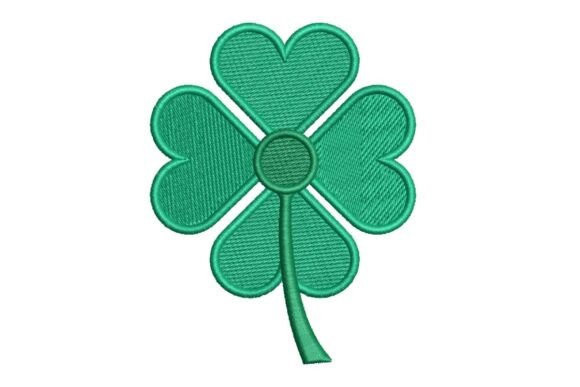
At first glance, the Lucky Four-Leaf Clover Embroidery Design strikes a balance between classic symbolism and modern aesthetic. Unlike the flat, cartoonish shamrocks often seen in mass-market goods, this design features heart-shaped leaves rendered in a textured teal or blue-green palette. This specific color choice elevates the piece from a generic holiday decoration to a sophisticated accent suitable for year-round use.
The "textured" description suggests a stitch density that adds depth, which is crucial for how a craft fair product feels in person. When a customer runs their fingers over an embroidered item, they are buying into the tactile experience. If the thread colors pop against the fabric without looking muddy, this design has high potential. It feels less like a temporary seasonal gimmick and more like a premium addition to a boutique maker's catalog.
Evaluating Product Applications for Maximum Sales
When preparing my booth inventory, I need to know exactly where this embroidery file shines. Not every design works on every surface, and placing it incorrectly can ruin the perceived value of a finished product.
Tote Bags and Market Goods
The Lucky Four-Leaf Clover Embroidery Design is an excellent candidate for a tote bag design. The teal tones stand out beautifully against natural canvas or linen backgrounds. For a craft fair, a tote bag acts as a walking advertisement. If the clover is placed centrally or near the handle attachment, it catches the eye immediately. However, I must ensure the hoop size accommodates the full width of the bag without distorting the shape. A slightly larger version serves as a focal point, while a smaller iteration works well as a subtle brand mark on the side pocket.
Kitchen Textiles: Aprons and Tea Towels
Kitchen items are perennial sellers at handmade markets. For apron embroidery, the heart-shaped leaves add a touch of whimsy that appeals to home cooks. Placing the design on the chest pocket creates a charming detail. Similarly, tea towel embroidery benefits from the texture; the raised stitches on a terry cloth or woven cotton towel emphasize the quality of the work. Just remember that thick fabric requires careful stabilizer selection to prevent puckering, which can make the product look amateurish.
Patches and Caps
Creating an embroidered patch from this design is a smart strategy for low-cost impulse buys. Customers love wearing their luck. The design translates well to patches because the defined edges of the clover hold up during the cutting process. On caps, the curved surface presents a challenge. The heart-shaped leaves might distort if the hoop size isn't adjusted correctly for the cap curve. I would recommend testing this on a scrap cap before committing to a full batch production run.
Pillow Covers and Home Decor
For home decor, the Lucky Four-Leaf Clover Embroidery Design brings a farmhouse-chic vibe. On pillow covers, the teal thread offers a fresh contrast to neutral grays, creams, or whites. This versatility allows me to market the same design across different product lines, maintaining brand consistency while offering variety. The design feels decorative enough to elevate a simple throw pillow into a statement piece for a living room.
Production Practicalities and Technical Considerations
As a designer, I know that a beautiful digital preview does not always guarantee a flawless physical result. Before I commit to a weekend of stitching, I must address several practical points regarding the digital embroidery file.
Stitch Density and Fabric Texture
The description mentions "textured" leaves. In machine embroidery, this usually implies higher stitch density. While this looks rich on smooth fabrics, it can cause issues on textured towels or heavy denim. I will need to test the design on scrap fabric first. If the density is too high, the fabric may pucker, ruining the drape of a tea towel or the fit of an apron. Using the right stabilizer is non-negotiable here; a cut-away stabilizer might be necessary for heavier items to support the weight of the thread.
Size and Clarity
One of the biggest risks with stylized designs is losing clarity when scaled down. The heart-shaped leaves rely on clean curves. If I shrink this design to fit a small pouch or a tiny accent on a hat, those curves might become jagged or indistinct. I need to confirm the minimum viable size for this machine embroidery design to ensure the details remain crisp. For small shop product lines like keychains or small gift tags, a simplified version might be safer than the full detailed render.
Thread Colors and Contrast
The specified teal or blue-green is lovely, but it must contrast with the base fabric. On dark fabrics, light teal can get lost unless the stitch count is very high. Conversely, on white, it needs to be vibrant enough to photograph well. I will prepare swatches in various shades to see which combination yields the best visual appeal for my target audience. Good photography is essential for Etsy listings, and poor color contrast can lead to returns or negative reviews.
Strategic Value for the Handmade Business
Incorporating the Lucky Four-Leaf Clover Embroidery Design into my lineup offers significant advantages for a creative entrepreneur. First, it taps into the emotional connection buyers have with symbols of good luck. Second, the unique color palette differentiates my products from the sea of bright green items typically associated with St Patrick S Day.
This design enhances the perceived value of a handmade product. Customers are willing to pay a premium for items that look professionally executed. By ensuring the finished product has no loose threads, perfect tension, and a clean finish, I reinforce my reputation for quality. Furthermore, having a versatile design that works on apparel, home goods, and accessories streamlines my inventory management. I can produce a batch of commercial embroidery items knowing the design assets will serve multiple purposes.
Final Checklist for Craft Fair Success
Before I load the machine and start stitching, here is my final review checklist for this project:
- Test Run: Always embroider the Lucky Four-Leaf Clover Embroidery Design on a scrap piece of the actual fabric intended for sale to check for puckering and color accuracy.
- Stabilizer Check: Confirm the correct stabilizer type (tear-away vs. cut-away) based on the fabric weight and stitch density.
- Mockups: Create at least one real mockup for each product type (tote, towel, cap) to verify how the design sits on the finished item.
- Licensing: Double-check the commercial licensing terms of the embroidery file to ensure I am legally allowed to sell the finished goods.
- Photography: Take high-quality photos of the stitched samples in natural light to use for printable mockup references and online store listings.
- Spacing: Verify there is adequate spacing around the design so it doesn't feel cramped on smaller items like patches or pouches.
Ultimately, the Lucky Four-Leaf Clover Embroidery Design is a strong contender for my craft fair booth. With its modern twist on a classic symbol and its versatility across various product types, it has the potential to drive sales and attract attention. By paying close attention to technical details like thread colors, hoop size, and fabric compatibility, I can transform this digital asset into a line of high-quality, desirable handmade goods that customers will want to take home.