Huggable Baby Onesie Embroidery Design Review
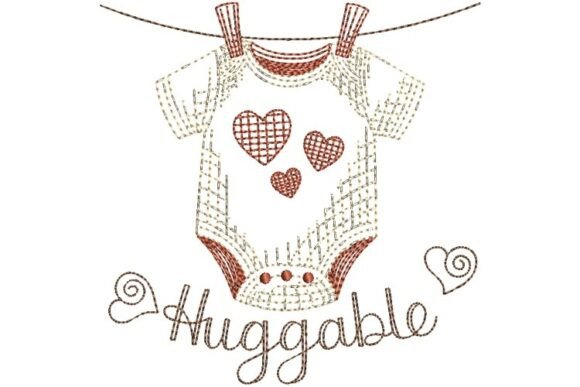
As I set up my craft fair booth this weekend, the table is a chaotic symphony of potential bestsellers. There are embroidered tote bags stacked neatly, aprons draped over chairs, and tea towels folded to perfection. Among these items, I am evaluating the Huggable Baby Onesie Embroidery Design. This digital embroidery file promises a soft, loving touch with its sketch-style baby bodysuit hanging from a clothesline. For an experienced designer like me, the first question is always practical: does this design translate from a screen to a tangible, sellable product that stops shoppers in their tracks?
First Impressions: The Sketch-Style Aesthetic
The moment I load the Huggable Baby Onesie Embroidery Design into my machine software, the mood becomes clear. It is undeniably cute, leaning heavily into a whimsical, farmhouse-chic aesthetic. The description highlights a "sketch-style" look, which immediately signals a departure from the rigid, vector-perfect graphics often seen in commercial embroidery. Instead, this design mimics hand-drawn lines, decorated with charming stitches that add texture and warmth.
In the context of a Nursery category, this style is a winner. Modern parents gravitate toward items that feel handmade and personal rather than mass-produced. The image of a onesie on a clothesline evokes nostalgia and the gentle reality of baby care. It feels less like a logo and more like a story. However, the success of this design hinges entirely on execution. If the stitch density is too high, it will lose that delicate sketch quality and look muddy. If it is too loose, the details may disappear. My goal is to ensure the finished product retains that airy, decorative charm while remaining durable enough for a small shop product to withstand washing and handling.
Product Placement: Where Does It Shine?
Not every embroidery file works on every surface. As I prepare my display, I am considering where the Huggable Baby Onesie Embroidery Design will command the most attention. The sketch nature of the art makes it versatile, but some applications are superior to others.
- Tote Bag Design: On a canvas tote bag, this design serves as a perfect focal point. The natural texture of the canvas complements the sketchy lines, making the onesie look like it was drawn directly onto the fabric. It appeals to new moms looking for a stylish diaper bag alternative or a gift for a baby shower.
- Tea Towel Embroidery: Kitchen linens are a staple for craft fairs. Placing this design on a cotton tea towel creates a delightful juxtaposition between the utility of the kitchen and the tenderness of the nursery theme. The open weave of a towel can sometimes challenge fine details, so I must be careful with thread tension here.
- Embroidered Patch: Creating a patch version of this design allows for broader application. Customers can sew it onto denim jackets, backpacks, or even existing nursery decor. Patches are excellent for increasing perceived value without requiring a full garment production run.
- Pillow Covers: For a larger impact, this design works beautifully on a square pillow cover. It becomes a statement piece for a nursery, offering a soft, inviting visual that photographs exceptionally well for online listings.
While I considered using this for apron embroidery, the scale might be tricky. Aprons often require bolder, larger graphics to stand out from a distance at a market. The Huggable Baby Onesie Embroidery Design is intimate; it invites the customer to lean in closer. Therefore, it is better suited for smaller, giftable handmade items like fabric pouches or caps, provided the hoop size accommodates the detail without distortion.
Production Realities and Practical Considerations
Turning a digital file into a physical craft fair product requires rigorous testing. Before I commit to a batch of 50 items, I always test the Huggable Baby Onesie Embroidery Design on scrap fabric. This step is non-negotiable. I need to verify the stitch count and ensure the "charming stitch" decorations do not create puckering on lighter fabrics.
One critical factor is the stabilizer. Because the design features a hanging clothesline and potentially thin outlines, a cutaway stabilizer might provide the necessary support to prevent sagging, especially on stretchy knits. However, for woven items like tea towels, a tear-away stabilizer should suffice. I also pay close attention to thread colors. To maintain the sketch aesthetic, I avoid overly saturated neon threads. Instead, I opt for muted pastels or classic neutrals that mimic pencil or ink strokes. The contrast against the background fabric is vital; if the thread blends too much, the design loses its clarity.
Another consideration is the hoop size. If the design is too large for a standard 4x4 hoop, it may require multiple hoops or a larger frame, which increases production time. Time is money at a craft fair. I need to confirm that the Huggable Baby Onesie Embroidery Design fits within a manageable window to allow for efficient batch production. Furthermore, I must check for any tiny details or small lettering that might get lost if the design is scaled down for a cap or a small pouch. In those cases, simplifying the elements might be necessary to preserve the integrity of the artwork.
Selling Power and Customer Engagement
From a sales perspective, the Huggable Baby Onesie Embroidery Design offers significant value. It taps into the emotional core of the target demographic: parents, grandparents, and gift-givers. The visual appeal is immediate; the sketch style suggests effort and artistry, justifying a higher price point for a handmade product. When displayed on a booth sample, such as a plush pillow or a high-quality tote, it acts as a conversation starter.
For the Etsy seller or boutique maker, this design also enhances brand consistency. It fits seamlessly into a collection focused on softness, love, and home. When creating printable mockups for online listings, the design's clean lines photograph beautifully, ensuring that what customers see online matches the finished product they receive. This consistency builds trust and reduces return rates.
However, there are risks. If the fabric texture is too heavy, like thick denim or rough burlap, the delicate lines of the onesie may become obscured. Similarly, dark fabrics can swallow the light-colored threads used in a sketch design unless specific metallic or variegated threads are employed. I advise fellow designers to compare fabric colors carefully before starting production. Always create at least one real mockup to see how the light hits the stitches in person, as photos can sometimes deceive regarding depth and texture.
Final Designer Notes for Success
To maximize the potential of the Huggable Baby Onesie Embroidery Design, follow these professional guidelines:
- Test First: Never skip the test run on the actual fabric you intend to use. Check for puckering and alignment.
- Check Licensing: Ensure you have the correct commercial embroidery license to sell finished products. Digital sellers must respect intellectual property rights.
- Optimize Density: Adjust stitch density if the design feels too heavy. The sketch look relies on airiness.
- Vary Applications: Don't limit yourself to one product type. Experiment with patches, caps, and small pouches to find your best-seller.
- Focus on Presentation: Use high-quality hangers and displays to showcase the "hanging" aspect of the design in your booth setup.
In conclusion, the Huggable Baby Onesie Embroidery Design is a strong contender for the current market. Its blend of nostalgia and modern minimalism makes it a standout choice for nursery-themed goods. With careful attention to fabric selection, stabilizer use, and color coordination, this embroidery file can transform simple textiles into cherished keepsakes. Whether you are setting up a weekend booth or expanding your Etsy shop, this design has the potential to bring a warm, huggable element to your product line that customers will love.