Little Farmer Embroidery Design Review
As an embroidery designer who has spent years translating digital concepts into tangible threads for small businesses, I approach every new machine embroidery design with a critical eye. The goal is never just to make something look cute; it is to ensure the asset works as a functional tool for branding and merchandising. Today, I am reviewing the Little Farmer Embroidery Design. This file promises a sweet farm-themed character with a playful look, falling squarely into the Farm Animals category. But does this charm translate into professional utility for your boutique, café, or handmade brand? Let’s dive into the practical application of this digital embroidery file.
First Impressions: Visual Personality and Brand Fit
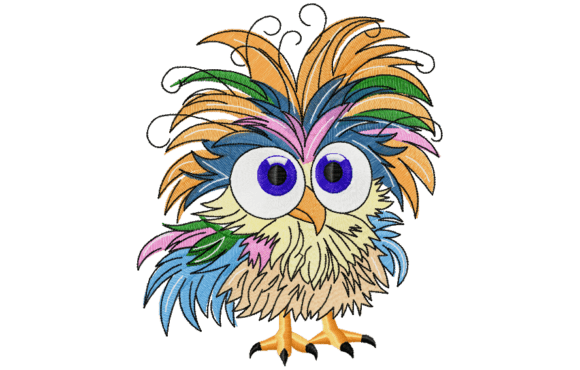
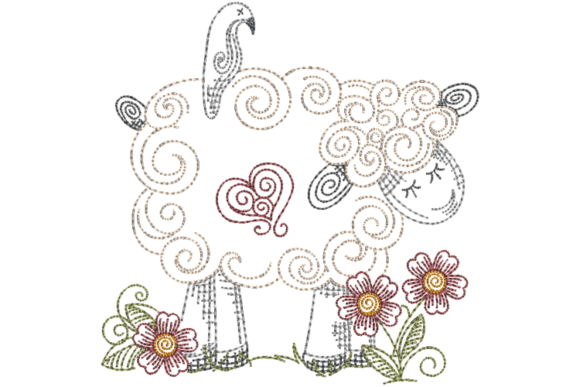
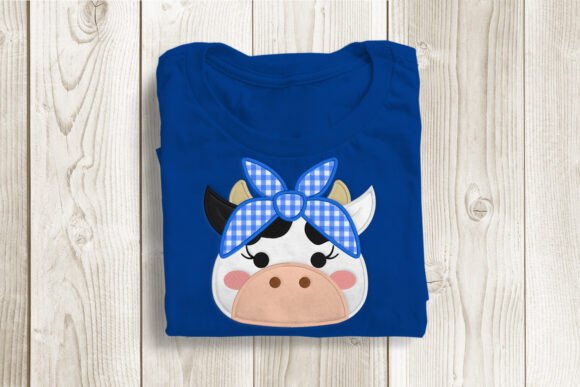
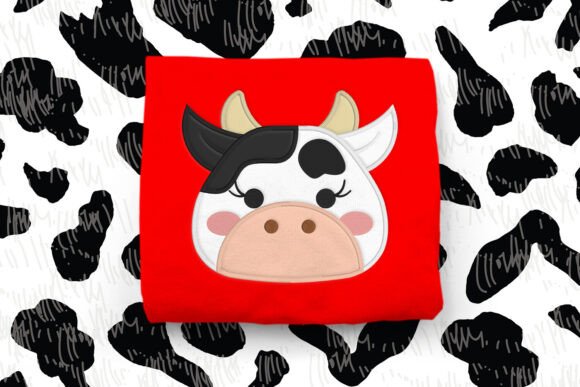
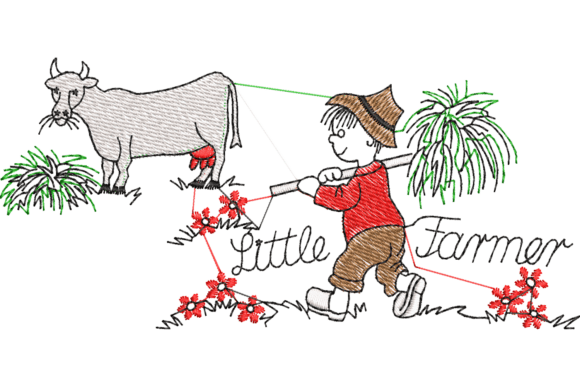
When I first loaded the preview of the Little Farmer Embroidery Design, the immediate feeling was one of approachable warmth. The description highlights a "cute cartoon style," which suggests soft curves and friendly expressions rather than sharp, aggressive lines. For a business owner, this visual personality is a double-edged sword that must be wielded carefully. On one hand, it screams "handmade" and "community-focused," making it ideal for organic bakeries, children's boutiques, or local florists.
However, if you are running a high-end corporate uniform program or a luxury leather goods line, this specific aesthetic might feel too juvenile. The strength of this design lies in its ability to humanize a brand. It signals that your business values tradition, nature, and simplicity. If your brand identity relies on being perceived as rustic, family-friendly, or eco-conscious, this embroidery file is a strong contender. It creates an instant emotional connection, which is crucial for customer engagement in the crowded marketplace of small business merch.
Real-World Applications for Business Merchandise
The true test of any design is how it performs when stitched onto actual products. Here is how I envision the Little Farmer Embroidery Design functioning across various commercial applications:
- Embroidered Patches: This is perhaps the most versatile use case. A well-defined outline allows this character to be cut out as a standalone patch. These can be sold individually as collectibles or sewn onto denim jackets, tote bags, and backpacks. The "farm" theme pairs perfectly with canvas materials, creating a cohesive rustic look.
- Apron Embroidery: For a farm-to-table café or a bakery, placing this design on the chest pocket of staff aprons adds a delightful touch of personality. It turns a standard work uniform into a branded asset that customers notice and remember.
- Cap Embroidery: While caps require careful consideration of size, the central focus of the Little Farmer character makes it suitable for a front-panel placement. It serves as a mobile billboard for your brand, especially at outdoor markets or community events.
- Tote Bag Design: Large format printing often lacks the tactile quality of thread. Using this design for a tote bag design gives the product a premium, finished feel. It elevates a simple cotton bag into a reusable piece of custom apparel that customers will want to display.
- Event Merch and Gifts: For seasonal events like harvest festivals or Easter sales, this design acts as a perfect limited-time offer. It can be used on temporary merchandise like koozies, buttons, or gift tags, reinforcing your brand during peak engagement times.
Critical Considerations: Where Caution is Required
While the Little Farmer Embroidery Design is charming, not every application is a slam dunk. As a professional, I must advise caution in specific scenarios to ensure the finished product meets quality standards.
Size Limitations: Cartoon characters often rely on facial details to convey emotion. If you shrink this design too much for a tiny sleeve detail or a small cap brim, those features may get lost in the stitching. Always check the minimum recommended size before committing to production. If the eyes or smile become indistinguishable blobs of thread, the design fails its purpose.
Fabric Texture and Density: Thick fabrics like heavy fleece or textured wool can interfere with the fine lines of a cartoon character. You must consider the stitch density relative to the fabric weight. Additionally, dark uniforms require a solid underlay to make the colors pop. Without proper backing, the cheerful colors of the farmer character might look dull against black or navy backgrounds.
Curved Surfaces: Applying this design to curved areas, such as the side of a baseball cap or a rounded bottle opener, requires precise digitizing. Ensure the hoop size accommodates the curve without distorting the character's proportions. Distortion can ruin the friendly vibe and make the logo look unprofessional.
Impact on Brand Identity and Customer Trust
Using a cohesive design asset like the Little Farmer Embroidery Design significantly impacts how customers perceive your business. Consistency is key to building trust. When a customer sees this character on your staff's apron, your packaging, and your promotional tote bags, it reinforces a unified message. It tells them you pay attention to detail.
In the world of commercial embroidery, the quality of the stitch speaks volumes about the quality of your product. A clean, well-executed design suggests reliability. Conversely, a poorly placed or low-quality stitch job can undermine even the best product. By choosing a design that fits your niche—like this farm-themed character for an agricultural or lifestyle brand—you align your visual assets with your core values. This alignment drives buyer engagement and encourages repeat purchases because the brand feels authentic and intentional.
Practical Designer Notes for Production
Before you rush to order bulk merchandise, follow these steps to ensure the Little Farmer Embroidery Design performs flawlessly:
- Test in Black and White: Run a test stitch using a single color to verify the shape and flow of the design without the distraction of thread colors. This helps identify any potential gaps or floating stitches.
- Verify Hoop Size: Confirm that the design fits within your machine's maximum hoop dimensions. If you need to resize, do so digitally before stitching to avoid distortion.
- Select the Right Stabilizer: For items like caps or stretchy fabrics, use a tear-away or cut-away stabilizer appropriate for the material. The stability of the backing is just as important as the thread itself.
- Create a Printable Mockup: Before mass production, create a printable mockup to show clients or stakeholders how the design looks in context. This manages expectations and secures approval early.
- Check Commercial Licensing: Always confirm the licensing terms of the digital embroidery file. Ensure you have the right to use it for commercial embroidery projects, including resale on patches and apparel.
- Compare with Other Assets: Place the design next to your existing logos and other design assets to ensure visual consistency in style and weight.
The Little Farmer Embroidery Design offers a delightful opportunity for businesses to inject personality into their merchandise. With careful planning regarding size, fabric, and application, this embroidery file can become a cornerstone of your brand's visual identity. Whether for a local bakery's aprons or a boutique's collection of handmade products, the key is execution. Test thoroughly, license correctly, and let the threads tell your story.