Cow with Bandanna Applique Embroidery Review
As a designer who has spent years curating assets for both personal craft projects and commercial small business lines, I approach every new machine embroidery design with a specific set of questions. Does it translate well from screen to fabric? Will the finished product hold up under customer scrutiny? When I first loaded the Cow with Bandanna Applique Embroidery file onto my machine, I was immediately struck by its potential as a versatile asset for the Farm Animals category. This isn't just another generic cow face; it carries a distinct personality that feels ready for immediate application in a boutique or handmade shop.
First Impressions: Style and Visual Personality
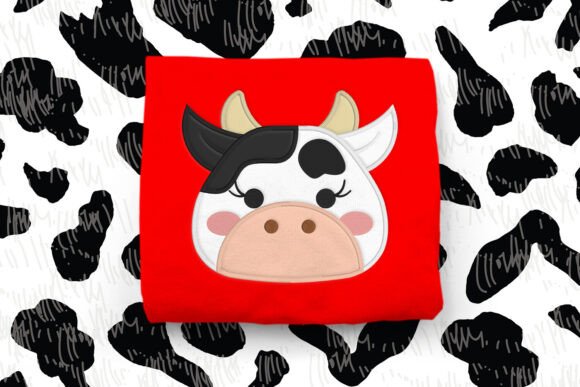
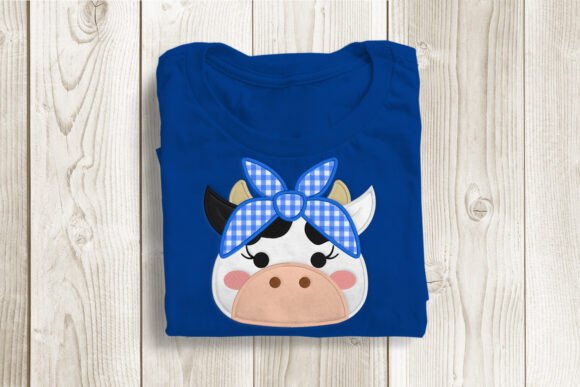
The initial visual impact of this applique design is charming without being overly cutesy. The cow face is rendered with clean lines that suggest a modern aesthetic, while the addition of the bandanna introduces a playful element that instantly elevates the character. In the world of Embroidery, where detail can sometimes get lost in stitch density, this design strikes a balance. The shape is bold enough to be recognizable at a glance, which is crucial for items like tote bags or sweatshirts where the viewer might only have a split second to appreciate the art.
What stands out most is the opportunity for customization inherent in the applique technique. The description notes that you can use fun patterned fabrics for the bandanna. From a design perspective, this is a game-changer. It allows an Etsy seller or craft business owner to create multiple variations of the same base design simply by swapping the fabric insert. One week you could offer a denim bandanna for a rustic look, and the next, a floral print for a spring collection. This flexibility significantly increases the value of the digital embroidery file because it serves as a template for endless creative expression rather than a static image.
Real-World Application: A Custom Tote Bag Scenario
To truly evaluate the utility of Cow with Bandanna Applique Embroidery, I imagined a real-life scenario: preparing a line of custom embroidered tote bags for a local farmer's market. Tote bags are a staple for small shop products, but they require designs that pop against canvas textures. I visualized stitching this design onto a sturdy natural cotton bag. The contrast between the dark outline of the cow and the bright, patterned fabric of the bow would likely draw immediate attention on a crowded table.
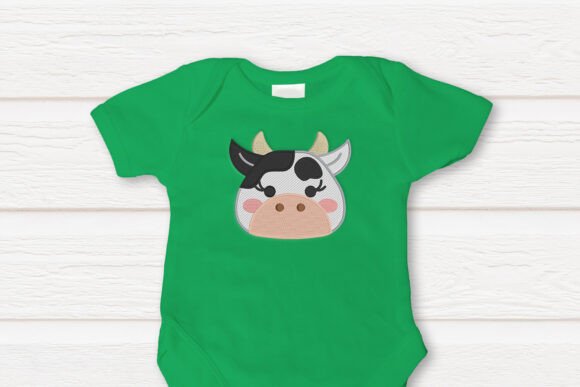
In this context, the design functions perfectly as a focal point. The layout is compact yet substantial, making it ideal for the front panel of a tote or the chest area of a sweatshirt embroidery project. Unlike dense fill designs that can make fabric stiff, the applique nature keeps the texture relatively soft, ensuring the final garment remains comfortable. For a personalized gift, such as a birthday present for a friend who loves farm life, this design offers a level of professionalism that often separates hobbyist work from high-quality handmade goods. Customers buying these items want to feel that the creator put thought into the construction, and the crisp edges of the applique contribute significantly to that perception.
Technical Considerations for Flawless Execution
While the aesthetic appeal is strong, practical execution requires careful planning. As with any applique design, the success of the project hinges on proper preparation. Before running the full production batch, I always recommend testing the design on scrap fabric. This step is non-negotiable for checking thread tension and ensuring the laser-cutting or trimming steps align perfectly with the stitch path.
Stitch density is another critical factor. Applique relies heavily on the satin stitch border to secure the fabric. If the density is too low, the raw edges of the fabric may show through, ruining the professional finish. Conversely, if it is too high, the fabric might pucker. Since the product comes in five sizes, you must confirm the hoop size requirements for your specific machine. Using a hoop that is too small for the largest version could lead to registration errors, while a hoop that is too large might cause fabric slack.
Furthermore, the choice of stabilizer cannot be overstated. Because applique involves layering materials, a cut-away stabilizer is often preferable to tear-away for items that will undergo frequent washing, such as baby embroidery or kitchen towels. This ensures the layers remain bonded and the design retains its shape over time. You should also consider the thread colors. While the black outline works on light fabrics, using this design on dark garments might require a white underlay or a different color scheme to maintain visibility and contrast.
Ideal Projects and Design Assets
This embroidery file is incredibly versatile, fitting naturally into several categories of commercial embroidery. Beyond totes and apparel, it works beautifully as an embroidered patch for hats or jackets. The defined edges make it easy to trim and sew onto curved surfaces like caps, provided the stabilizer is robust enough to handle the tension. For home decor enthusiasts, the design translates well to pillow covers and tea towels, adding a touch of whimsy to nursery decor or farmhouse-style kitchens.
For digital product sellers, this design serves as excellent content for creating printable mockups. Even before stitching a single stitch, you can visualize how the design looks on various products to build your online store listings. The clear lines of the cow face ensure that it scales well in digital previews, helping potential buyers understand exactly what they are purchasing. Whether you are creating holiday embroidery gifts or stocking up inventory for a craft fair, having a reliable design like this in your library streamlines your workflow.
Areas for Caution and Final Verdict
Despite its strengths, there are scenarios where caution is advised. Avoid using this design on very thin or highly stretchy fabrics unless you use heavy-duty stabilization, as the weight of the applique fabric can distort the material. Similarly, while the design includes intricate details in the eyes and nose, shrinking it down to the smallest available size might compromise the clarity of those features. Always review the running stitch and fill stitch areas on a test run to ensure the details remain sharp.
Additionally, always verify the licensing terms included in the zip file. While the package mentions eight formats including DST, you must confirm whether the license permits selling the finished physical items versus reselling the digital file itself. Most design assets allow for the sale of finished goods, but restrictions vary, and respecting these terms is vital for maintaining trust within the maker community.
Ultimately, Cow with Bandanna Applique Embroidery is a solid addition to any professional's toolkit. It combines visual charm with technical reliability, offering a pathway to create unique, high-value handmade products. By paying attention to fabric choices, stabilizers, and test runs, you can ensure that this design delivers a polished, professional result that delights customers and strengthens your brand identity.