Underarm Embroidery Design Review for Craft Fairs
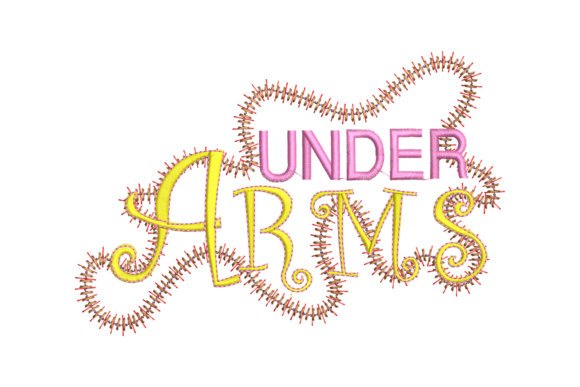
As an experienced embroidery designer preparing my booth for the upcoming weekend craft fair, I am constantly evaluating new machine embroidery design assets to see which ones will translate into best-selling handmade products. Today, I am reviewing a unique digital asset titled Underarm Embroidery Design. At first glance, this sounds like a niche concept, but upon closer inspection of the product description, it reveals itself as a charming solution for adding whimsy to children's clothing. The description notes that this adorable design is crafted to fit comfortably beneath the arm area, adding charm without compromising the garment's function. For us Etsy sellers and boutique makers looking to stand out in a crowded market, understanding how to position such specific designs is crucial.
First Impressions: Whimsy Meets Practicality
When I first loaded the preview of the Underarm Embroidery Design, my initial reaction was one of curiosity followed by delight. In the world of Babies and children's apparel, parents are always hunting for details that make a standard onesie or t-shirt feel special. This design feels soft, playful, and distinctly modern. It does not scream "farmhouse" or "rustic"; instead, it leans towards a cute, contemporary aesthetic that appeals to younger parents who appreciate subtle humor and thoughtful placement. Unlike traditional chest logos or back prints, placing a design under the arm creates a secret surprise element. When a child raises their arms to hug a parent or reach for a toy, the design appears. This interactive quality is a massive selling point for any craft fair product.
Evaluating Placement Beyond Children's Wear
While the primary description targets children's clothing, as a creative entrepreneur, I immediately began brainstorming how this embroidery file could be adapted for other items on my table display. The concept of a hidden or semi-hidden accent is versatile. Imagine applying this tote bag design logic to the inside flap of a canvas tote or the underside of a handle. It adds a layer of discovery that customers love. Similarly, for apron embroidery, placing a small motif near the waist tie or under the shoulder strap could offer a delightful touch for kitchen enthusiasts. Even tea towel embroidery could benefit from this approach, perhaps stitching the design near the hem so it peeks out when folded.
However, we must remain realistic about the constraints. The description explicitly states the design is crafted to fit beneath the arm. If we try to scale this up for a large pillow cover or a central focal point on a cap, the proportions might look odd. The strength of this design lies in its intended size and placement. It is designed as an accent, not a billboard. Therefore, for my booth samples, I would focus on creating a collection of matching embroidered patch sets where the main logo goes on the front, and this underarm version serves as a matching detail on the sleeve or side seam.
Production Realities and Stitch Density
Before committing to batch production for the weekend market, I need to assess the technical viability of the Underarm Embroidery Design. One of the most critical factors in commercial embroidery is stitch density. Since this design is meant for a curved, flexible area like the underarm, high density can cause puckering, which is uncomfortable for a child and unattractive for the buyer. I will need to run a test on scrap fabric that mimics the stretch of the final garment. If the design includes dense fill stitches, I may need to reduce the density slightly to ensure the fabric remains breathable and comfortable.
Another consideration is the hoop size. Embroidering in tight, curved areas requires precision. I will likely use a smaller hoop to minimize distortion while stitching. Using the right stabilizer is non-negotiable here; a cut-away stabilizer might provide too much stiffness for a baby's garment, so a lightweight tear-away or wash-away option paired with a floating technique could yield better results. We also need to consider thread colors. Since this is a hidden detail, using a contrasting color ensures visibility when the arm moves, but it should still harmonize with the overall palette of the shirt. A pastel thread on a white onesie or a bold pop of color on a dark tee could both work, depending on the brand identity.
Visual Appeal and Customer Engagement
How does this design perform in a real-world sales environment? In a physical booth, visual appeal drives impulse buys. While the underarm placement is hidden until movement occurs, the marketing angle is strong. I plan to create a few sample garments where the sleeves are rolled up or positioned to reveal the design. This creates a "wow" moment for the customer. "Look what happens when they raise their hands!" is a powerful conversation starter. This engagement increases the perceived value of the finished product. Parents are more likely to purchase a small shop product that offers a unique experience rather than just another generic shirt.
For online listings on Etsy or my own website, photography becomes key. I cannot simply show a flat lay of the shirt. I will need to stage photos showing the garment being worn, with the arm raised, to demonstrate the feature. Creating a printable mockup that highlights this specific angle is essential for digital sales. The design needs to be understood at a glance through the imagery, even if the text description explains the placement.
Practical Notes for the Digital Seller
If you are considering selling this digital embroidery file or using it for your own business, there are several practical points to keep in mind. First, check the commercial licensing terms carefully. Ensure you have the right to sell finished goods made with this design, especially if you plan to produce them in bulk for a craft fair. Second, be wary of tiny details. If the design contains very fine lines or small lettering, it may lose clarity when embroidered on textured fabrics like heavy cotton or fleece. Always review the spacing to ensure the machine doesn't skip stitches in tight curves.
Furthermore, consider the fabric texture. On thick materials, the underarm area can be bulky. If the design is too large, it might irritate sensitive skin. Stick to the recommended dimensions provided in the file instructions. Finally, compare fabric colors before cutting your thread. A design that looks great on a screen might get lost on a heathered gray shirt. Test swatches are your best friend.
Final Verdict for the Handmade Market
The Underarm Embroidery Design is a clever addition to any designer's portfolio, particularly for those focusing on the Babies category. It transforms a standard garment into a personalized, interactive piece of art. While it requires careful attention to stitch density and placement during production, the payoff in customer delight is significant. Whether used for handmade gifts, market bags, or custom apparel, this design offers a unique hook that separates your products from the sea of generic merchandise. By testing thoroughly and showcasing the design effectively in your booth or online store, you can turn this subtle detail into a standout seller. Remember, in the world of Embroidery, it is often the unexpected touches that leave the lasting impression.