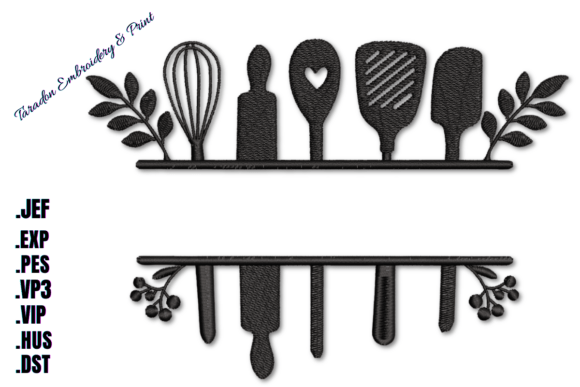
Kitchen Utensils Embroidery Design Set Review
As I set up my table for the upcoming weekend craft fair, I am surrounded by stacks of finished goods: linen tote bags, heavy cotton aprons, and crisp tea towels waiting for their final touch. The difference between a booth that gets glances and one that generates sales often comes down to the specific machine embroidery design chosen. Today, I am reviewing the Kitchen Utensils Embroidery Design Set to see if it has the staying power to become a staple in my handmade product line. This charming collection promises a cozy, homemade touch, featuring a beautifully detailed shelf of hand tools. But does it translate from a digital file to a sellable item under the harsh lights of a market tent?
First Impressions: A Cozy Farmhouse Vibe
When I first opened the preview of the Kitchen Utensils Embroidery Design Set, the aesthetic immediately clicked with current trends. It leans heavily into the farmhouse and rustic style that remains incredibly popular among buyers looking for warmth and nostalgia. Unlike modern, minimal designs that can feel sterile, this set feels lived-in and inviting. The concept of a "shelf of hand tools" suggests organization and care, which are powerful psychological triggers for anyone decorating their kitchen.
For an Etsy seller or boutique maker, visual appeal is everything. This design strikes a balance between being decorative and functional. It isn't just a random pattern; it tells a story about cooking and home life. The level of detail described as "beautifully detailed" suggests that the embroidery file contains enough intricacy to look premium without becoming overwhelming. In a crowded market, items that evoke a specific mood—like the cozy feeling of a Sunday morning in the kitchen—tend to stand out against generic floral or text-only products.
Product Performance Across Different Goods
The versatility of a design is its greatest asset for batch production. Here is how the Kitchen Utensils Embroidery Design Set performs on various substrates I plan to stock:
- Tea Towel Embroidery: This is arguably the strongest application. The texture of a terry cloth towel complements the rustic nature of utensils perfectly. Placing the design near the hem or corner creates a sophisticated accent that elevates a simple towel into a high-end gift.
- Apron Embroidery: For a larger focal point, this design works beautifully on the bib of a canvas apron. It serves as a statement piece that defines the wearer's love for cooking. The "shelf" motif aligns well with the vertical orientation of an apron pocket or chest area.
- Tote Bag Design: On a sturdy cotton tote, the design acts as a conversation starter. It transforms a utility bag into a fashion accessory for grocery shopping or farmers' market runs.
- Embroidered Patch: If the design is scalable, turning it into a patch opens up new revenue streams. Patches are excellent low-cost add-ons at a craft fair booth, allowing customers to buy a small piece of the brand even if they don't want a full garment.
- Pillow Covers and Caps: While less traditional, applying this to a kitchen-themed pillow cover adds instant decor value. However, curved surfaces like caps require careful consideration of the stitch layout to avoid distortion.
Practical Selling and Production Points
From a business perspective, time is money. The Kitchen Utensils Embroidery Design Set appears to be highly repeatable for batch production, which is essential for a busy weekend. One of the key selling points is how easy the design is to understand at a glance. Customers browsing quickly need to instantly recognize the subject matter. The silhouette of spoons, whisks, and ladles is universally understood, removing any confusion about what the product represents.
Photography is another critical factor for online listings. Because the design features distinct shapes and likely varied thread colors, it photographs exceptionally well. A printable mockup created from a high-quality photo of the stitched item will perform better than a flat digital rendering. The contrast between the utensil shapes and the background fabric helps the image pop on social media feeds, driving traffic to your shop.
Furthermore, this design supports brand consistency. If you run a shop focused on home goods, having a cohesive theme across your finished product range builds trust. Using this same motif on tags, packaging, and multiple product types reinforces your identity as a specialist in kitchen décor.
Careful Use Notes and Technical Considerations
While the design looks promising, every professional embroiderer knows that execution is where success is won or lost. There are several areas where caution is required to ensure the quality of your handmade product:
- Dense Stitch Areas: Detailed tool handles or overlapping utensils might create dense stitch areas. Always check the stitch density before running a full batch. Too many stitches in a small area can cause puckering, especially on thinner fabrics like tea towels.
- Fabric Texture: Textured towels can sometimes swallow tiny details. If the design includes fine lines on the utensil handles, test it on the actual fabric first. You may need to simplify the digital embroidery file slightly to maintain clarity on rougher textures.
- Small Lettering: If the design includes text (such as labels on the shelf), verify the legibility at smaller sizes. Tiny lettering often blurs when stitched on thick fabric or curved surfaces like caps.
- Dark Fabric Challenges: While the design might look great on white or cream linens, using it on dark fabric requires a significant amount of underlay. Ensure your stabilizer choice is robust enough to prevent show-through and maintain sharp edges.
- Hoop Size Constraints: Before committing to large orders, confirm the hoop size requirements. If the design is too wide for your standard machine hoops, you may face registration issues or need to switch to a walking foot technique, which slows down production.
Designer Tips for Maximum Impact
To truly make the Kitchen Utensils Embroidery Design Set shine, I recommend following these practical steps before your next craft fair:
- Test on Scrap Fabric: Never skip the test run. Stitch the design on the exact material you intend to sell. Check for thread tension, pull, and overall definition.
- Check Thread Contrast: Select thread colors that offer high contrast against your fabric base. Earthy tones like sage, terracotta, or navy work well for this rustic theme, but ensure they are visible from a distance.
- Review Spacing: Leave adequate space around the design on your product. Crowding the edge can lead to stitching errors and make the item look cheap.
- Use the Right Stabilizer: For kitchen textiles, a cutaway or tear-away stabilizer appropriate for the weight of the fabric is non-negotiable. This ensures the embroidery lays flat and doesn't distort the fabric.
- Create Real Mockups: Instead of relying solely on computer-generated images, photograph at least one real sample. Real lighting and shadows build more confidence in potential buyers.
- Confirm Licensing: As a commercial embroidery user, always double-check the license terms of your design assets. Ensure you have the right to sell the finished goods and not just the digital files.
In conclusion, the Kitchen Utensils Embroidery Design Set offers a strong opportunity for craft fair sellers and creative entrepreneurs looking to capitalize on the enduring love for home cooking aesthetics. By paying attention to technical details like stitch density and fabric choice, you can transform this digital file into a high-value small shop product that customers will eagerly take home. Whether displayed on a bustling booth table or showcased in a curated Etsy listing, this design has the potential to be a bestseller if executed with care and precision.