Fishing Frame Machine Embroidery Design Review
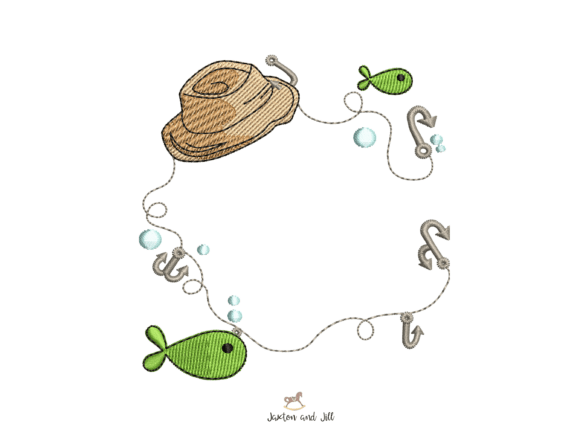
As a professional embroidery designer who has spent years translating brand visions into tangible stitched assets, I approach every new digital file with a critical eye. My focus is never just on whether a pattern looks pretty; it is about whether it functions effectively in the harsh reality of commercial production. Today, I am reviewing the Fishing Frame Machine Embroidery Design, a vibrant pattern described as showcasing a fisherman's hat, playful fish, curious hooks, and effervescent details. This review is tailored for small business owners, apparel decorators, and Etsy sellers looking to elevate their merchandise with a distinct, nautical-inspired aesthetic.
First Impressions: Charm Meets Commercial Viability
Upon opening the preview of this machine embroidery design, the immediate impression is one of rustic charm mixed with playful energy. The combination of a classic fisherman's hat and whimsical aquatic elements suggests a brand personality that is approachable, friendly, and deeply connected to nature or outdoor lifestyles. For a boutique café, a handmade gift shop, or a local angling club, this design offers a visual language that feels both established and inviting.
However, in the world of branded merchandise, "playful" must not come at the cost of legibility. The description mentions "effervescent" details, which often implies fine lines or intricate textures. While these add character to a large tote bag design or a wall hanging, they can be risky for small-scale applications. As a designer, my first thought is to evaluate if the core silhouette—the hat and the frame—remains recognizable when scaled down. If the intricate details of the fish and hooks get lost in the stitching process, the brand identity could suffer from a lack of clarity.
Evaluating Real-World Business Applications
The true test of any embroidery file lies in its versatility across different product categories. Let's explore how the Fishing Frame Machine Embroidery Design performs in specific commercial scenarios relevant to small business merch.
Staff Uniforms and Apron Embroidery
For a seafood market, a coastal bakery, or an outdoor gear boutique, staff uniforms are a primary touchpoint for customer trust. Placing this design on the chest pocket of a work shirt or the bib of an apron creates a cohesive team look. The frame aspect of the design is particularly useful here, as it can enclose a monogram or the business name, turning a generic uniform into a branded asset. The key is ensuring the thread colors contrast well against the fabric texture of the uniform. A dark navy capri or denim apron would make the vibrant fish pop, reinforcing the brand's energetic image.
Cap Embroidery and Headwear
Headwear is a high-visibility item for any business. Using this design for cap embroidery requires careful consideration of the curved surface. The arch of a baseball cap can distort wide designs. The fishing hat motif within the design might align perfectly with the shape of a cap, but the surrounding frame needs to be flexible enough to wrap without bunching. If the stitch density is too high, the cap brim may become stiff, affecting comfort for the wearer. It is essential to test the hoop size requirements to ensure the design fits within the standard 4x4 inch area typically used for caps.
Tote Bags and Customer Gifts
Tote bags are excellent vehicles for branding because they serve as walking billboards. The larger surface area of a tote allows the full complexity of the Fishing Frame Machine Embroidery Design to shine. Here, the "effervescent" details mentioned in the description can be fully appreciated. This makes the tote bag feel like a premium handmade product rather than a cheap giveaway. For event merch or customer appreciation gifts, this design adds a layer of perceived value that customers are willing to pay for.
Embroidered Patches and Product Labels
One of the most versatile uses for this file is creating custom embroidered patches. These patches can then be sewn onto jackets, backpacks, or even leather goods. The frame structure provides a natural border for a patch, giving it a finished, professional look. Additionally, smaller versions could serve as product labels for clothing lines or craft items, signaling quality and attention to detail. However, when shrinking the design for a label, you must verify that the hooks and fish do not merge into a single blob of thread.
Strategic Considerations for Brand Identity
Incorporating the Fishing Frame Machine Embroidery Design into your portfolio of design assets goes beyond aesthetics; it impacts your brand identity. A consistent visual style builds recognition. If your brand is built on themes of sustainability, local sourcing, or outdoor adventure, this Fish-themed embroidery reinforces those values subconsciously. Customers associate the tactile quality of embroidery with durability and craftsmanship. When they see this detailed work on your products, their trust in the quality of your other offerings increases.
However, visual consistency is paramount. You must ensure that the style of this embroidery matches your logo and other marketing materials. If your brand is ultra-modern and minimalist, a busy, vintage-style fishing frame might clash. But for brands aiming for a "handmade," "rustic," or "heritage" vibe, this design is a powerful tool for buyer engagement. It tells a story before a word is spoken.
Practical Designer Notes and Production Tips
Before committing to a bulk order of custom apparel, I recommend following these practical steps to ensure the Fishing Frame Machine Embroidery Design performs flawlessly:
- Test in Black and White First: Always run a test stitch using a single color to check the structural integrity of the design. This reveals any gaps in the digitization or areas where the stitches might pull the fabric.
- Verify Hoop Size and Scale: Check the required hoop size immediately. If the design demands a large hoop but you only have a small one, scaling it down will ruin the stitch density and likely cause thread breakage.
- Analyze Stitch Density: High-density areas, especially around the "curious hooks" and fish scales, can create a thick, cardboard-like feel. Ensure there is enough spacing between satin stitches to allow the fabric to breathe.
- Select the Right Stabilizer: Depending on the fabric texture—whether it is a stretchy jersey for a t-shirt or a heavy canvas for a tote—you must use the appropriate stabilizer. Without it, the design may pucker or shift during the embroidery process.
- Check Thread Color Contrast: Vibrant patterns need contrast to be visible. Test the thread colors against your actual fabric swatches under different lighting conditions.
- Create a Printable Mockup: Before sending files to production, generate a printable mockup for client approval. This helps stakeholders visualize the final product and catch potential issues early.
- Confirm Commercial Licensing: As a business owner, always confirm the licensing terms of the digital embroidery file. Ensure you have the right to use it for commercial embroidery projects and resale items.
Conclusion: A Versatile Asset for Niche Markets
The Fishing Frame Machine Embroidery Design offers a compelling opportunity for businesses targeting the outdoor, culinary, or lifestyle sectors. Its blend of traditional motifs and playful elements makes it suitable for everything from apron embroidery to high-end tote bag designs. However, its success depends on thoughtful application. By respecting the limitations of stitch density, carefully selecting fabrics, and testing thoroughly, you can transform this digital file into a standout feature of your small business merch.
For the savvy decorator or entrepreneur, this design is more than just a pattern; it is a vehicle for storytelling. When executed correctly, it elevates the perceived value of your products, fosters brand loyalty, and delivers a finished product that customers will proudly display. Whether you are creating a limited edition cap run or a permanent line of branded patches, this embroidery file has the potential to anchor your brand identity in a way that resonates with your audience.