Creative Butterflies Embroidery Design Review
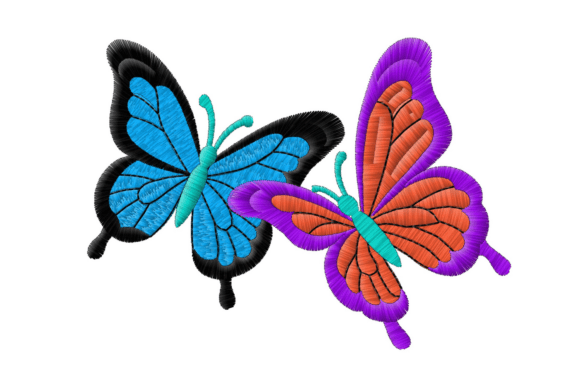
As a professional embroidery designer who has spent years translating digital concepts into tangible threads for small business owners, I approach every new machine embroidery design with a critical eye. The goal is never just to create something pretty; it is to build assets that elevate a brand. Recently, I evaluated the Creative Butterflies Embroidery Design, a file categorized under Bugs but positioned firmly in the realm of creative branding. My initial impression was one of immediate potential. The description promises artistically stylized butterflies in vibrant colors and elegant shapes, which suggests a departure from generic clip-art aesthetics toward something more bespoke and premium.
First Impressions: Whimsy Meets Professionalism
When I first opened the digital embroidery file, the visual personality stood out immediately. This is not a rustic or overly traditional design; it feels modern, playful, yet sophisticated enough for commercial use. The "artistically stylized" aspect mentioned in the product details translates well on screen, offering curves and lines that suggest movement without becoming chaotic. For a boutique florist, a handmade soap brand, or a creative studio, this design strikes the perfect balance between whimsical charm and professional polish. It avoids the trap of looking too childish, instead projecting an image of creativity and attention to detail that customers associate with high-quality handmade products.
The vibrant color palette implied by the description is crucial for brand identity. In the world of small business merch, color psychology plays a massive role. A butterfly design can signal transformation, growth, and beauty, making it an excellent metaphor for businesses focused on personal care, wellness, or artistic expression. However, the true test of any embroidery file lies in how it performs when moved from the monitor to the fabric.
Real-World Business Applications
For entrepreneurs looking to expand their product lines, the Creative Butterflies Embroidery Design offers versatile applications across various merchandise categories. Let's break down where this design shines in a real-world scenario.
Branded Patches and Apparel Accents
One of the most effective ways to utilize this design is as an embroidered patch. Imagine a local café adding these patches to the back of staff aprons or the sleeves of work shirts. The elegant shapes provide a subtle accent that doesn't overwhelm the uniform but adds a distinct layer of character. Similarly, for a clothing boutique, applying this design to denim jackets or tote bags creates a unique selling point. Unlike printed graphics, embroidered elements add texture and durability, increasing the perceived value of the finished product.
Cap Embroidery and Headwear
Cap embroidery requires designs that are legible and balanced. The stylized nature of the Creative Butterflies design makes it suitable for the front panel of a baseball cap, provided the scale is adjusted correctly. It serves as a memorable logo mark for events, team uniforms, or promotional giveaways. The vibrant thread colors mentioned in the description would pop beautifully against standard navy, black, or khaki caps, ensuring high visibility and brand recognition.
Tote Bags and Product Packaging
For Etsy sellers and crafters, the tote bag design market is competitive. Using a high-quality machine embroidery design like this one differentiates your offerings from mass-produced printed bags. Furthermore, consider using smaller versions of the design as accents on product packaging, such as sewn-on labels for handmade soaps or gift boxes. This level of detail signals to the customer that the brand cares about every touchpoint, fostering trust and loyalty.
Critical Considerations for Production
While the aesthetic appeal is strong, a professional review must address technical limitations. As you plan to integrate the Creative Butterflies Embroidery Design into your workflow, there are specific areas where caution is required to ensure a flawless result.
Stitch Density and Fabric Texture
Butterfly wings often require intricate detailing. If the stitch density is too high, the design may become stiff, especially on lighter fabrics like linen or thin cotton used for aprons. Conversely, if the density is too low, the vibrant colors might bleed through or look sparse. Always check the thread colors and density settings on your machine before running a full production batch. Additionally, textured fabrics can sometimes obscure fine details. If you are embroidering on heavy canvas or fleece, ensure the stabilizer is robust enough to support the design without puckering.
Size Limitations and Hoop Constraints
Do not assume this design works at every size. When shrinking the Creative Butterflies Embroidery Design for a tiny chest logo or a small patch, the elegant shapes may lose definition. Fine lines can merge, and the artistic style may become muddy. Always verify the minimum viable size for your specific machine and hoop setup. If you intend to use this for cap embroidery, remember that curved surfaces distort the final look. You may need to adjust the digitization slightly to account for the curve of the brim or the crown of the hat.
Durability and Washing
Items like staff uniforms and reusable tote bags undergo frequent washing. High stitch counts and complex outlines can be prone to snagging if not properly backed. Ensure you use the correct stabilizer—whether tear-away, cut-away, or wash-away—based on the fabric type. Testing the design on a scrap piece of the actual material is non-negotiable. Check how the threads hold up after a few wash cycles to guarantee longevity for your customers.
Strategic Implementation for Brand Growth
Incorporating the Creative Butterflies Embroidery Design into your brand strategy goes beyond simple decoration. It is a tool for enhancing brand identity. Consistency is key; if your logo uses similar curves and colors, this design will reinforce your visual language. It creates a cohesive look across your custom apparel, event merch, and retail items.
For handmade brands, the tactile quality of embroidery communicates authenticity. Customers can feel the difference between a screen print and a stitched design. This tactile engagement increases buyer engagement and can justify a higher price point. When creating printable mockups for your website or social media, highlight the texture and depth of the embroidery to showcase the premium nature of your goods.
Practical Designer Notes for Success
To get the most out of this commercial embroidery asset, follow these practical steps:
- Test in Monochrome First: Before committing to expensive specialty threads, run a test in black and white to check the structural integrity of the stitches.
- Verify Licensing: Confirm that the digital embroidery file includes a commercial license. Many free or budget files are restricted to personal use only, which could lead to legal issues for your business.
- Check Color Contrast: Ensure the vibrant thread colors contrast well with your chosen fabric background. Dark uniforms may require lighter threads to maintain visibility.
- Create Mockups: Generate realistic printable mockups showing the design on actual products like aprons or caps to present to clients or stakeholders for approval.
- Compare Assets: Place the Creative Butterflies Embroidery Design beside your other design assets to ensure it fits your overall aesthetic without clashing.
- Inspect Spacing: Leave adequate spacing around the design to prevent crowding, especially if combining it with text or other logos.
By treating the Creative Butterflies Embroidery Design as a strategic business asset rather than just a decorative element, you can significantly enhance the appeal of your merchandise. Whether you are outfitting a bakery team, launching a line of branded totes, or creating exclusive gifts for loyal customers, this design offers the versatility and elegance needed to stand out in a crowded market. Just remember to test thoroughly, respect the technical limits of your equipment, and always prioritize the quality of the finished product.